Learn about Turkmen carpets, handwoven textiles that represent local identity and craftsmanship passed through generations.
Turkmen Carpets: Craft, Culture, and Living Tradition
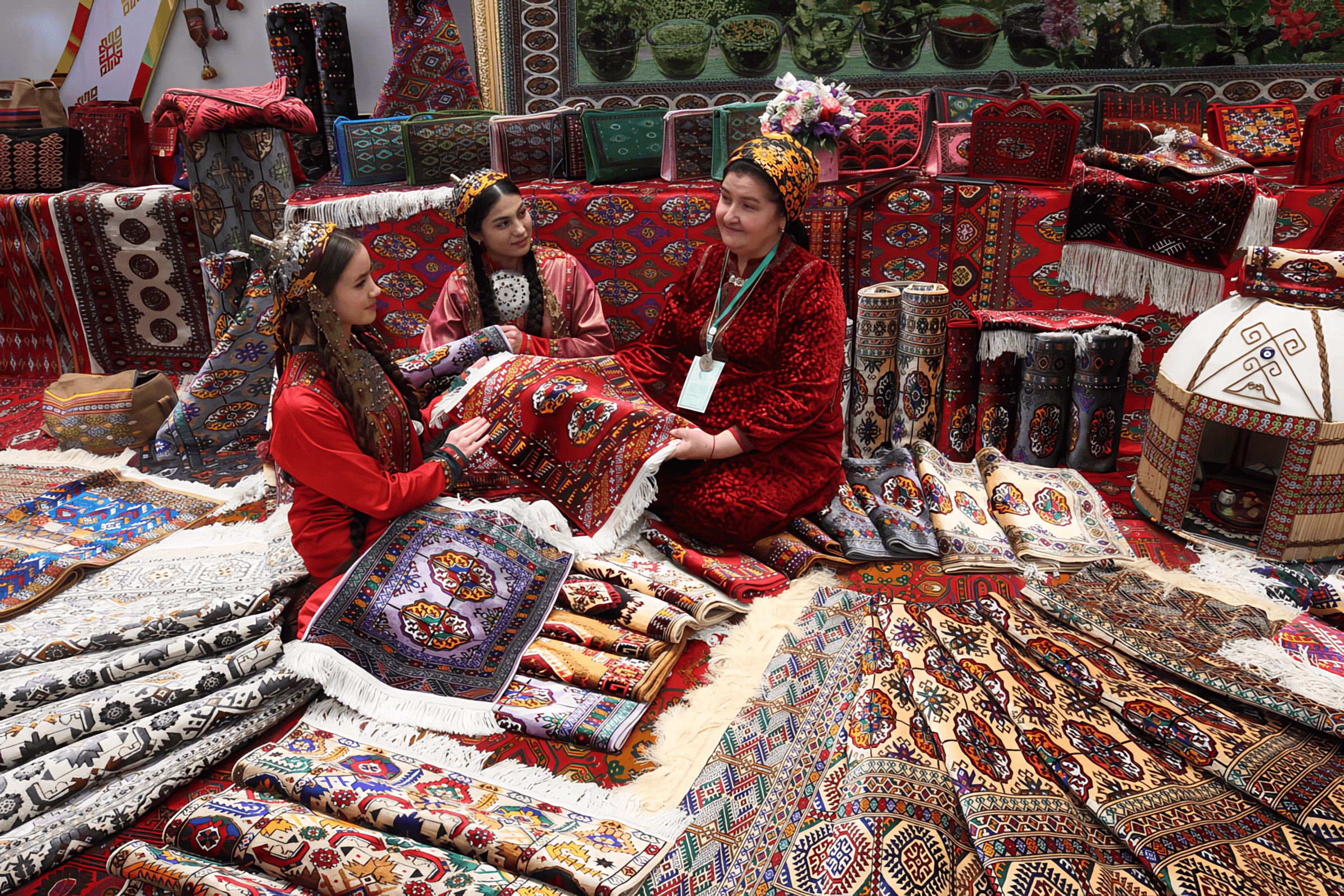
Carpet weaving in Turkmenistan is both a centuries-old craft and a living expression of identity. Visitors often encounter these textiles first in markets, museums, or private homes, where their colours and patterns immediately stand out. But Turkmen carpets are more than decorative objects. They are a direct link to history and community, a form of artistic language passed down through generations.
A Craft Rooted in Daily Life
In Turkmen culture, carpet weaving has deep historical roots. Long before industrial manufacturing transformed textile production elsewhere, nomadic and semi-nomadic groups across Central Asia developed weaving as a practical and artistic skill. Carpets were used to cover floors and walls of yurts, to insulate against cold winds, and to transport belongings. Over time, technique and design evolved, and carpets became a canvas for symbolic expression.
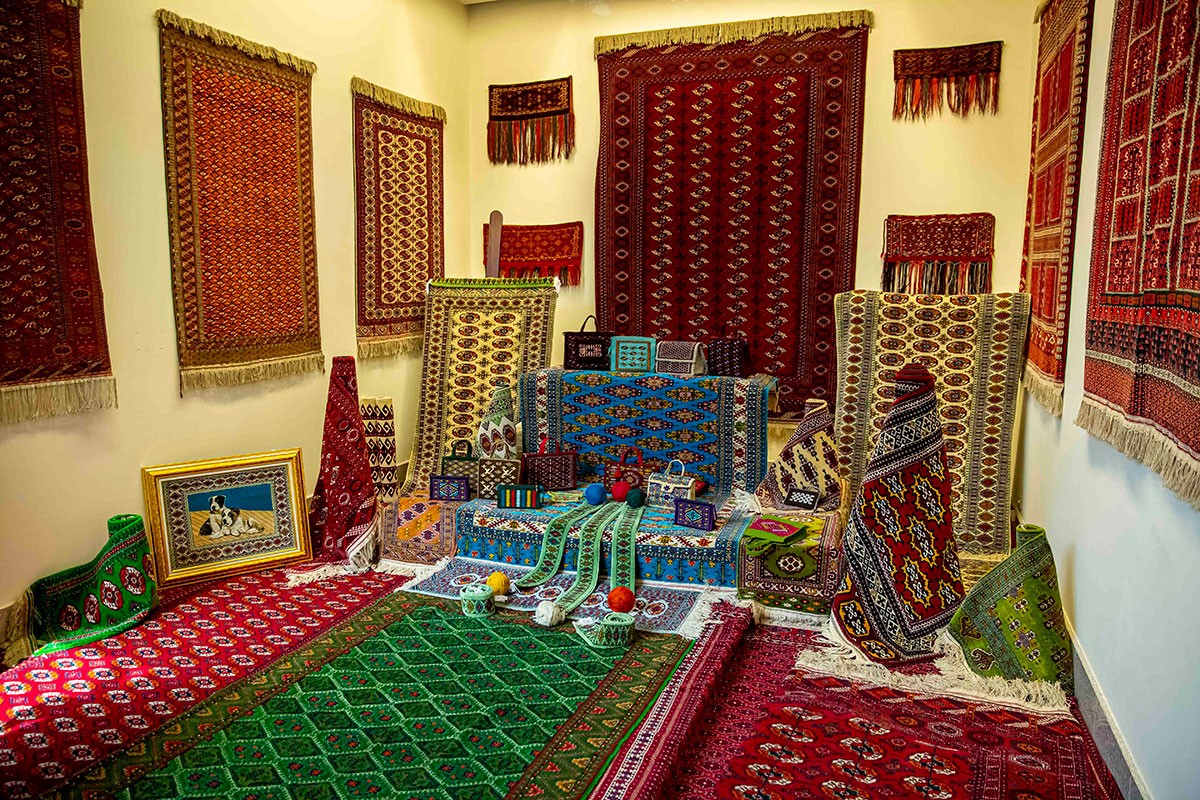
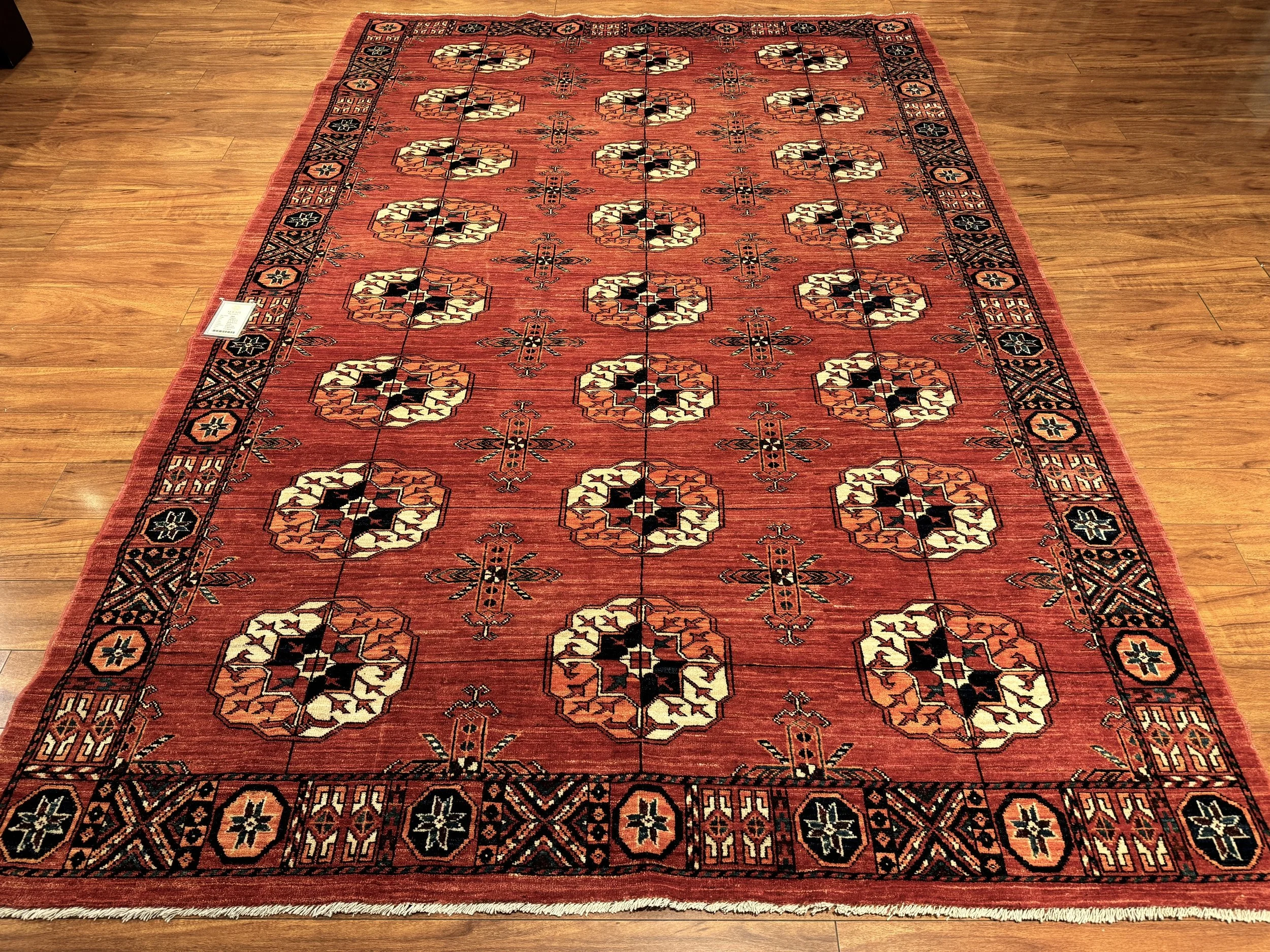
Each region and group developed its own motifs, colour combinations, and weaving methods. Among these, the patterns known as göls are among the most distinctive. These repeated medallion-like motifs are often associated with specific tribes or regions, and they play a central role in identifying the origins of a carpet.
Patterns and Meaning
The symbols woven into carpets are neither random nor purely ornamental. They reflect social structures, beliefs, aspirations, and relationships to place. In some interpretations, geometric shapes may represent elements of nature or stages of life, while repeated patterns provide balance and cohesion across the textile. Examining a Turkmen carpet is, in a sense, reading a visual language — one that conveys meaning without words.
Though carpet weaving skills are widespread, the most highly prized works are those that combine technical precision with clarity of design and quality of material. Natural wool, hand-dyed with vegetable dyes, gives many older carpets their depth of colour and subtle variation. The labour involved in making a single carpet can span weeks or months, depending on its size and complexity.
Carpets in Everyday and Ceremonial Use
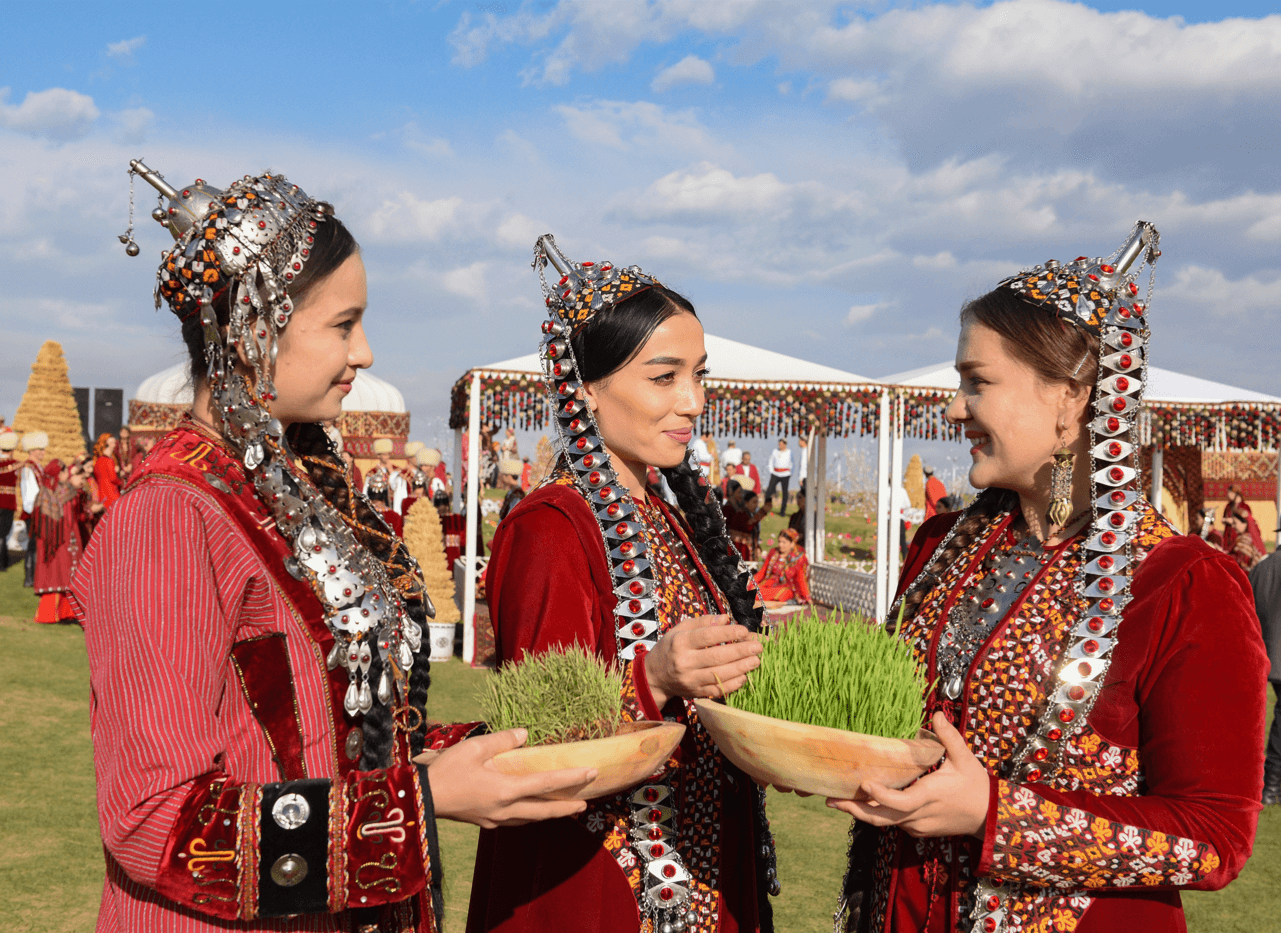
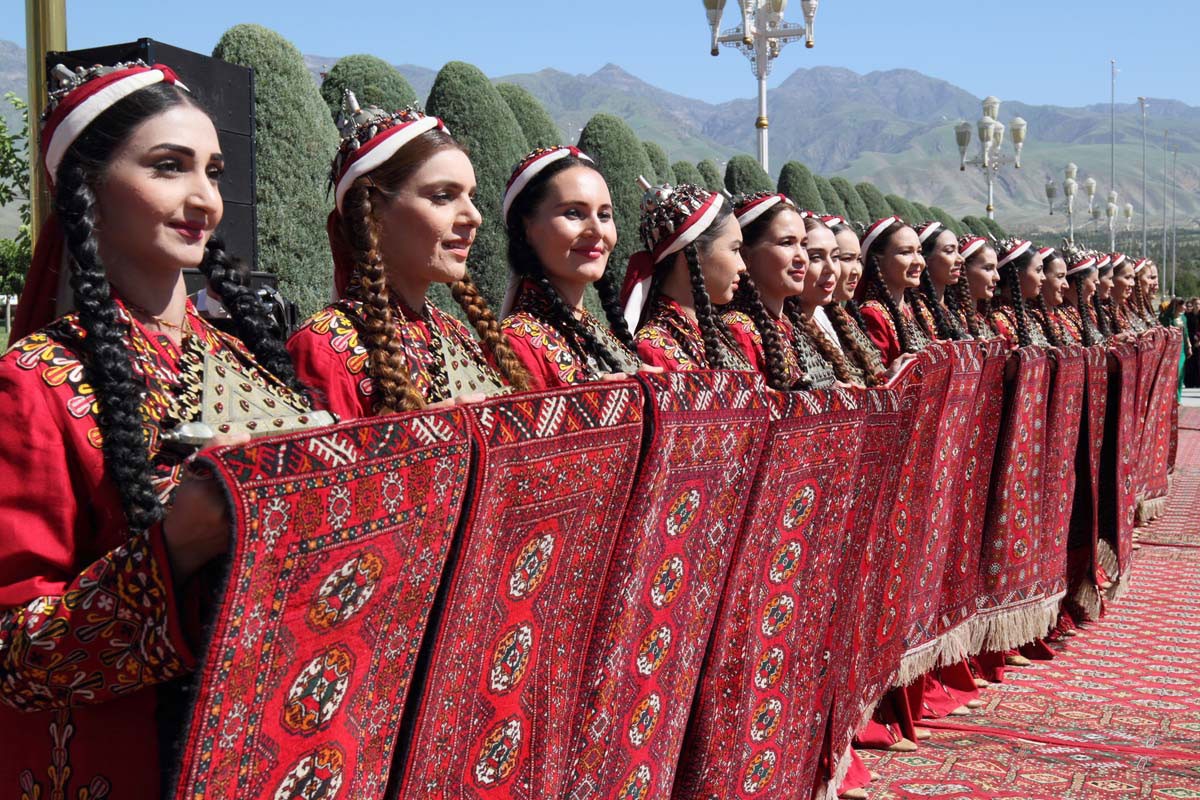
In Turkmenistan today, carpets still play a role in both daily life and ceremonial occasions. They are displayed in homes and public spaces, offered as gifts on important occasions, or used during celebrations. In some families, particular carpets are heirlooms, passed down through generations with pride and care. These pieces carry both aesthetic value and emotional resonance.
The importance of carpet weaving to national identity is reflected in public institutions as well. The National Carpet Museum in Ashgabat showcases a vast collection of carpets from different regions and periods, with curators providing context about design evolution and cultural significance. For many visitors, the museum offers both an introduction and a deeper appreciation of this art form.
Contemporary Craft and Cultural Continuity
While modern materials and methods have influenced production in some contexts, many Turkmen weavers continue to prefer traditional techniques. Apprenticeship remains the primary mode of learning, with skills passed from one generation to the next through direct practice and observation. In this way, carpet weaving is not simply a craft but a form of cultural continuity.
In rural areas, small workshops and family studios remain active. Here, carpets are made not for export or display alone but as part of community life. The slow and deliberate pace of weaving contrasts with the rushed tempo of much modern production elsewhere, giving each piece a sense of intentionality and presence.
Carpets as Cultural Ambassadors
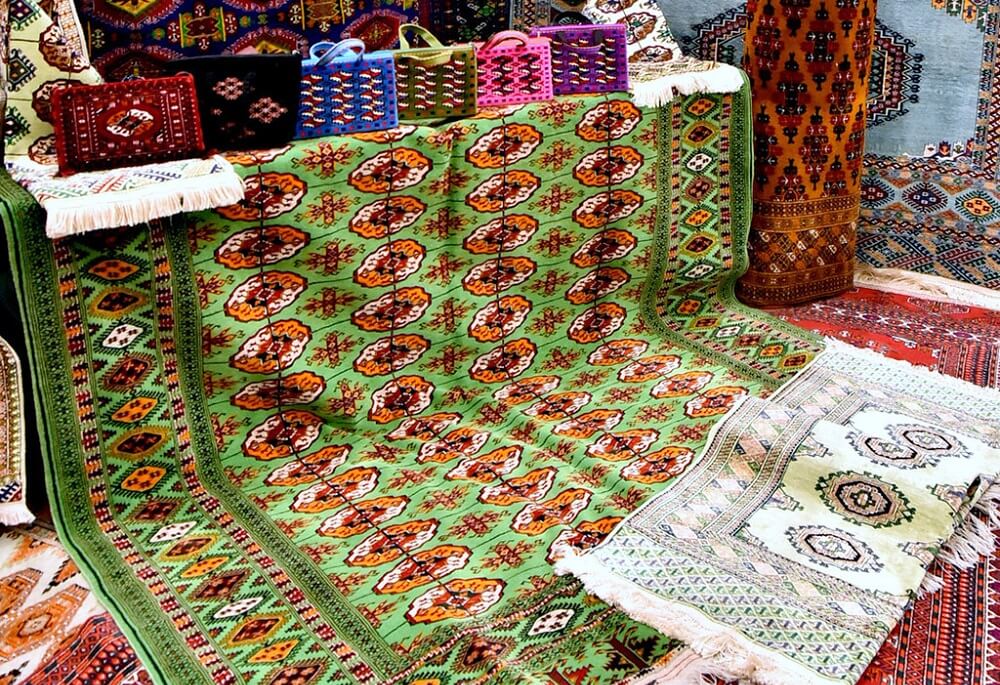
For visitors, Turkmen carpets are more than souvenirs. They are tangible evidence of the country’s history, artistic sensibility, and social memory. Whether seen in a bustling market stall, underfoot in a private home, or mounted behind glass in a museum, these textiles convey something essential about Turkmenistan’s people and their relationship to craft, place, and tradition.
In this respect, carpets offer an opportunity for reflection as well as admiration. They invite travelers to consider how objects carry meaning beyond function — how patterns carry stories, and how communities maintain continuity across generations. Engaging with this tradition adds nuance to any visit to Turkmenistan, connecting the present with a deeply textured past.