Meet welcoming communities, visit lively markets, and see traditions that remain an authentic part of daily life.
For many travelers, the most memorable part of visiting a new country is not only its landmarks but also the rhythms of daily life that shape people’s everyday experiences. In Turkmenistan, a blend of history, community values, and longstanding customs creates a sense of continuity that visitors notice quickly. Here, traditions are not staged for tourists but remain part of lived reality in homes, markets, and public spaces.
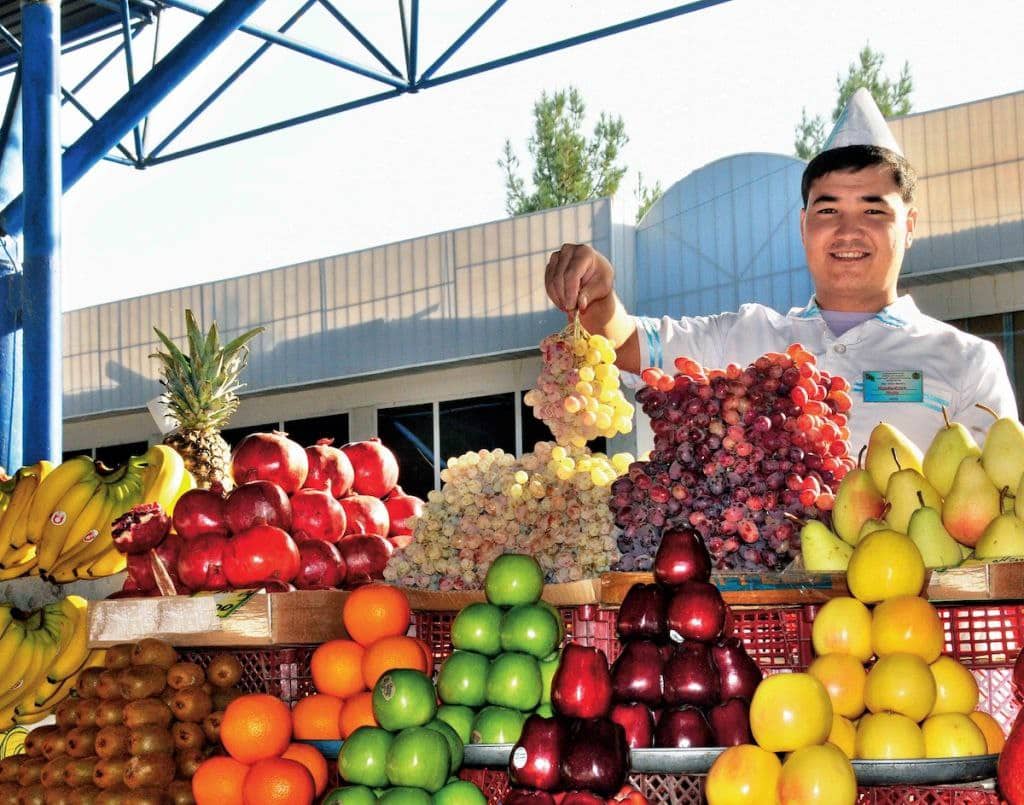
One of the first places travelers encounter Turkmen daily life is the local market, known locally as a bazaar. In cities and towns, these markets operate much as they have for generations. Stalls are filled with fresh produce, dried fruits, bread, and handmade goods. Vendors and customers converse in a mix of Turkmen and Russian, bargaining casually and exchanging news as they shop. For many locals, the bazaar is not only where food is bought and sold but also where social ties are maintained.
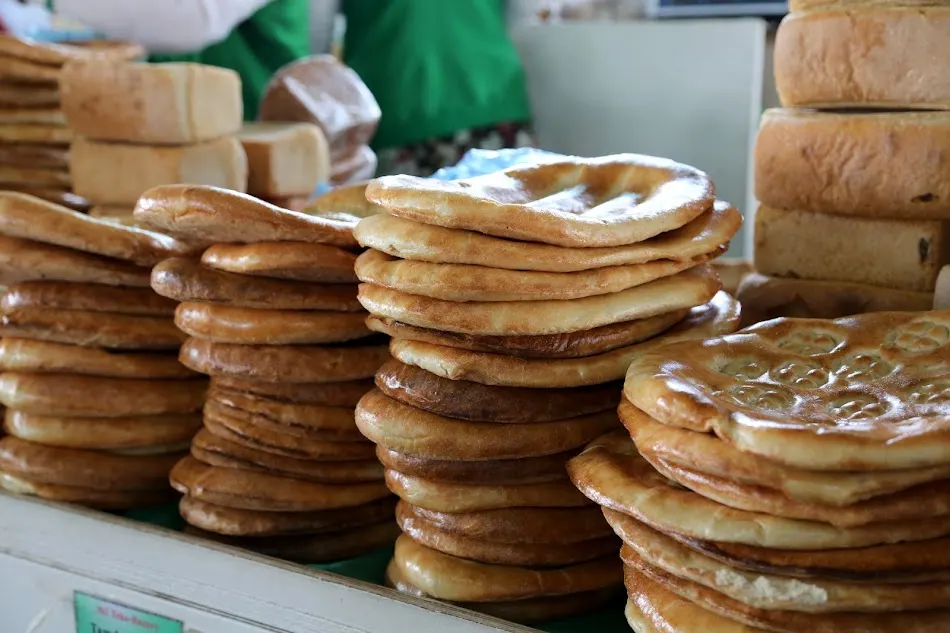
Walking through a market gives visitors a direct view into how people live and work. Freshly baked bread, known as chorek, is a staple at every meal. Bakers use traditional clay ovens, which give the bread a distinct texture and flavor. It is common to see baskets of bread displayed prominently, a reminder of both practicality and cultural importance.
Hospitality is a central element of Turkmen social culture. In private homes and tea houses alike, offering tea and food to guests is customary. Accepting such an invitation is considered polite and respectful. For many visitors, these moments of shared tea or a meal provide deeper insight into daily life than any museum or monument.
Traditional meals often center around family and community. Plov, a rice dish cooked with meat and vegetables, is one of the most common dishes served at celebrations and everyday gatherings. Other dishes include manty, steamed dumplings typically served with yogurt or simple sauces. Meals are usually shared at a long table, where conversation and connection are as important as the food itself.
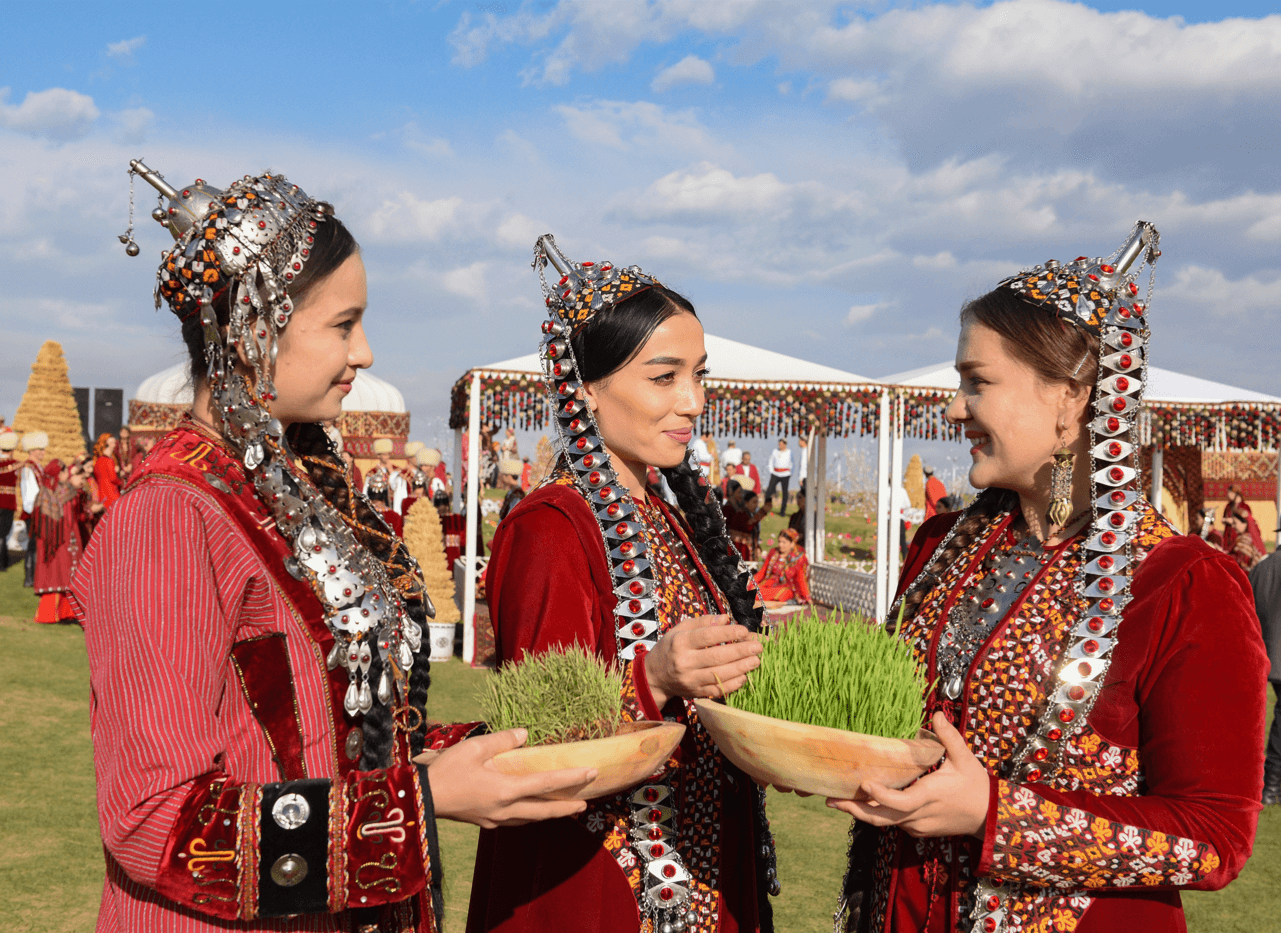
Ceremonies and celebrations also offer a window into local traditions. Weddings, for example, are festive occasions that can last for days and include music, dance, and ceremonial food. Traditional dress, particularly during cultural events, still appears in regional patterns and designs. Carpet weaving, another longstanding tradition, remains a source of artistic pride. Turkmen carpets often reflect regional styles and motifs that have been passed down through generations.
Beyond food and festivals, respect for family and community plays an important role in everyday interactions. Elders are often consulted on decisions, and extended families maintain close ties. Neighbors greet one another with warmth, and unsolicited help, such as someone offering directions or assistance, reflects a strong communal ethic.
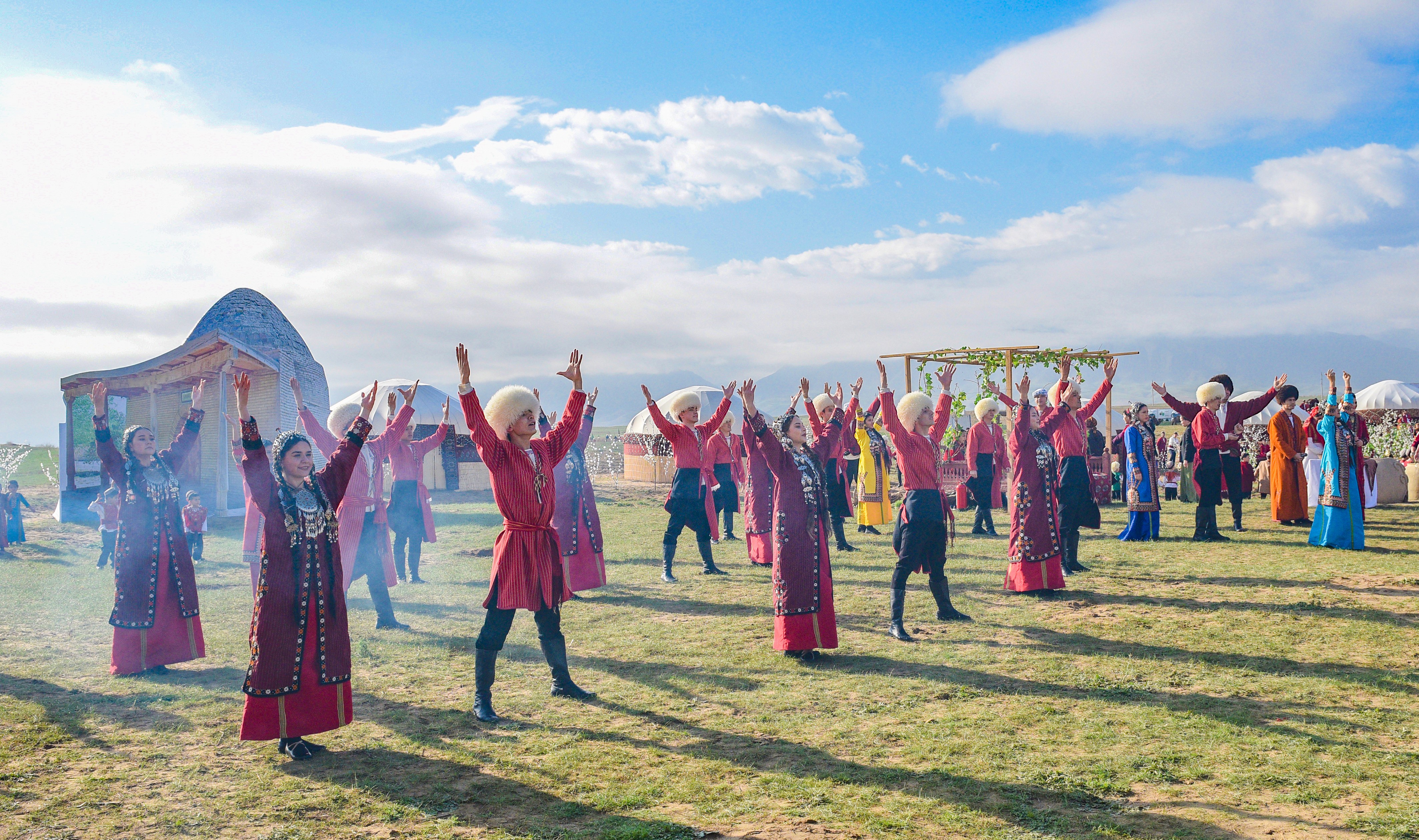
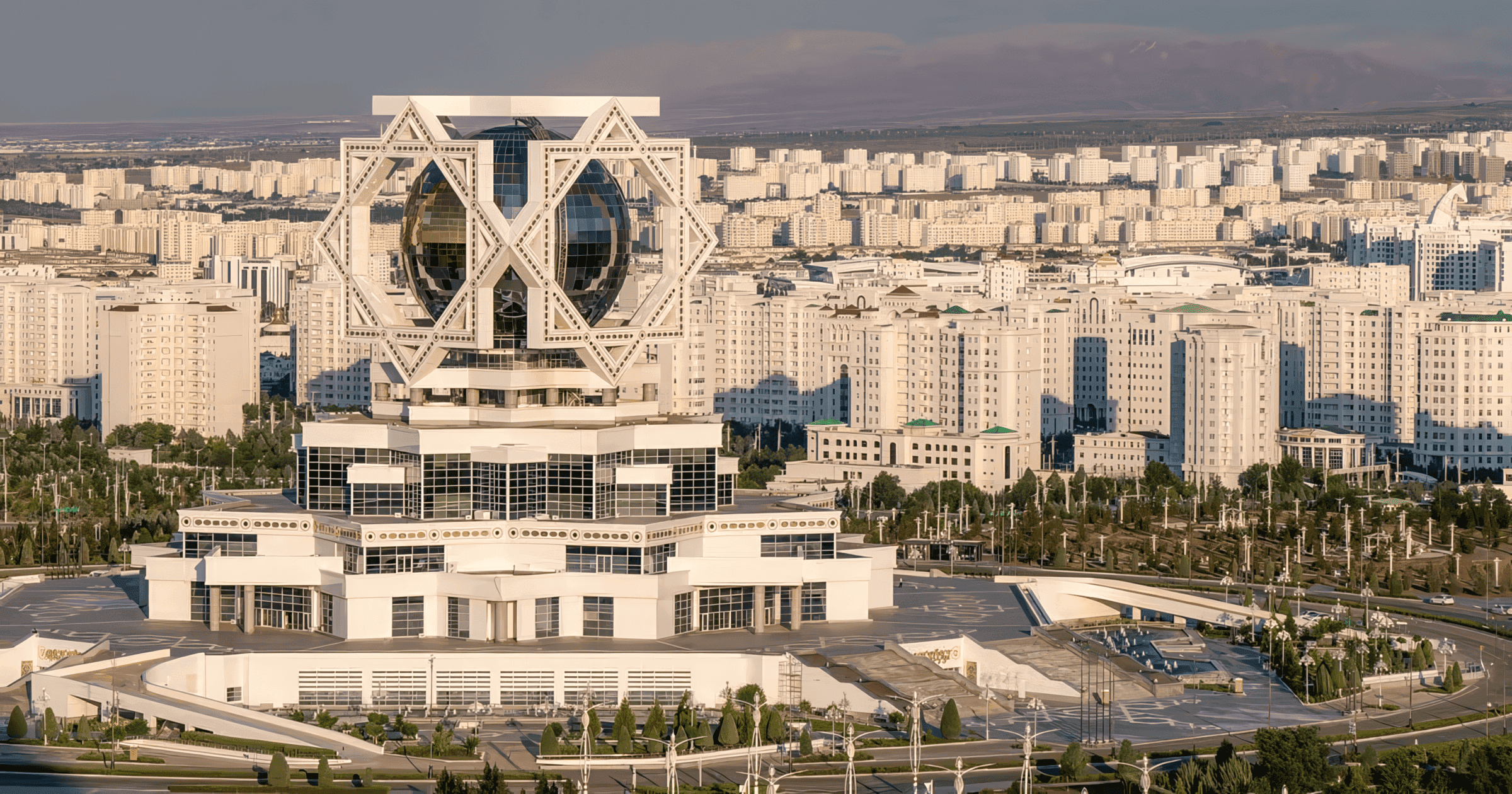
While modernization and contemporary influences have affected daily life in Turkmenistan, many traditions persist alongside newer ways of living. In cities like Ashgabat, modern infrastructure and urban development coexist with practices that harken back decades or centuries. Travelers who take the time to observe these patterns often find that they enrich a visit far beyond sightseeing.
In experiencing everyday life in Turkmenistan, visitors gain a deeper understanding of how people connect with each other, how food and gatherings matter in daily routines, and how traditions continue to shape community values. These insights do not simply document culture; they allow travelers to walk briefly in the lives of others and see the world through a lens shaped by place and history.