Experience vast deserts, colorful canyons, and the remarkable Darvaza Crater, landscapes unlike those in most other countries.
Natural Wonders of Turkmenistan
Turkmenistan’s landscapes are defined by vast expanses and unusual geological formations that remain largely untouched by mass tourism. Away from the capital and ancient cities, the country’s natural features reveal a terrain of deserts, canyons, and rare phenomena that draw travellers precisely because they are remote and striking.
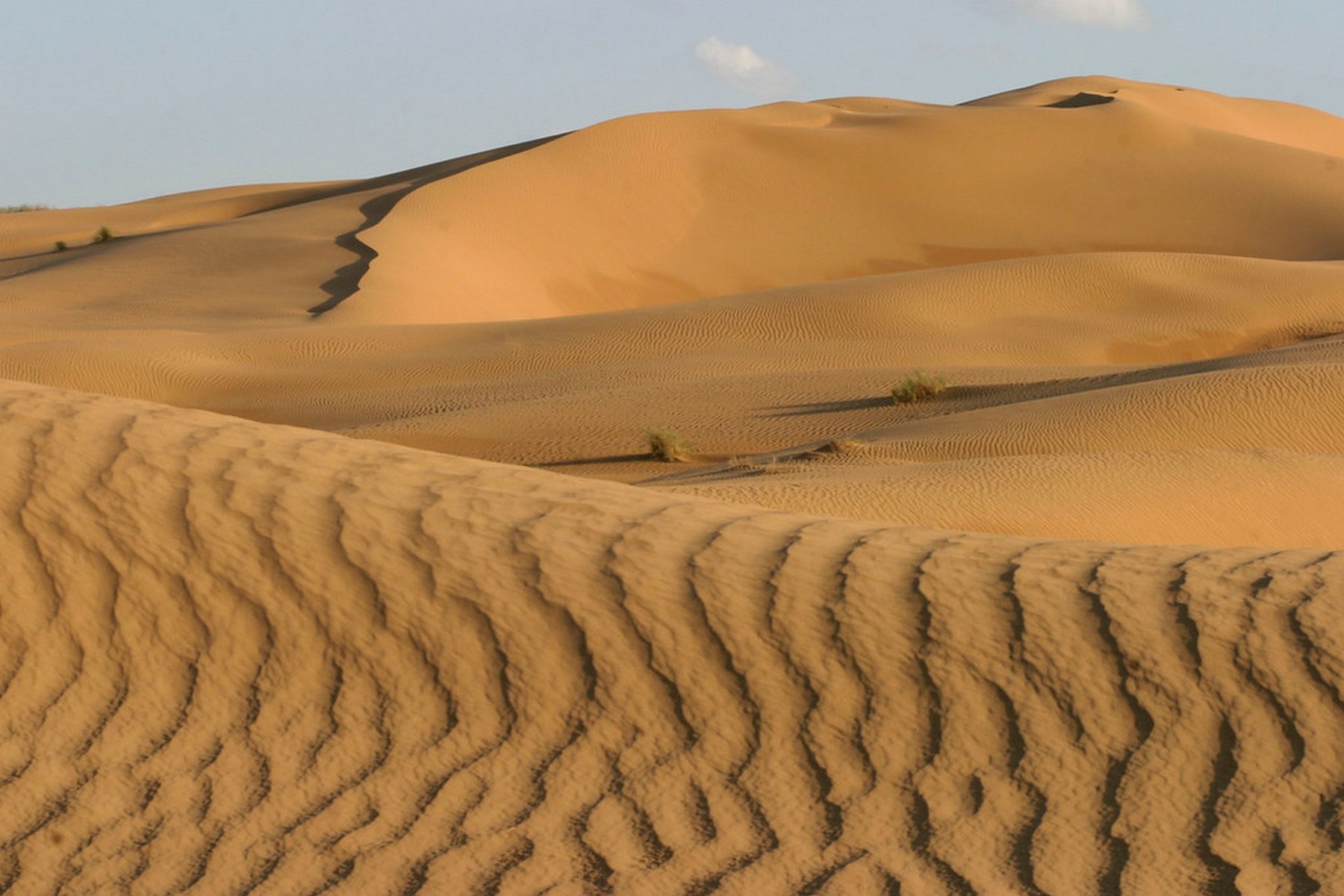
The Karakum Desert covers much of Turkmenistan’s landmass. Its broad horizons and sweeping sand plains present a different kind of beauty, one shaped by wind and light rather than by human hands. Crossing the desert, visitors encounter a sense of scale that is hard to capture in words. Roads stretch into the distance, occasional clusters of scrub brush break the monotony, and the silence underscores how rarely this land is traversed by others.
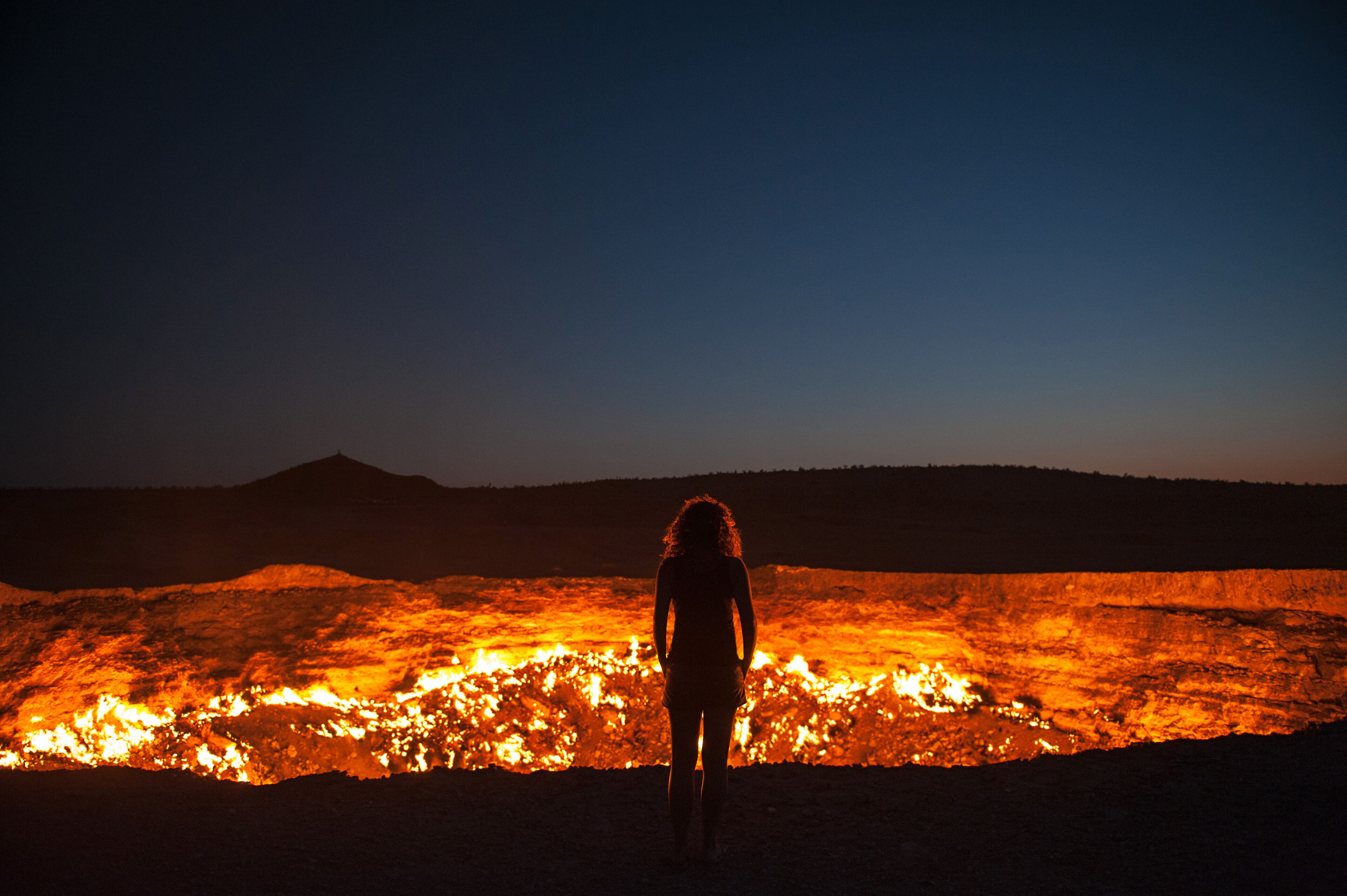
One of the most widely recognized natural features in Turkmenistan is the Darvaza Gas Crater, known locally and internationally as the “Door to Hell.” Located in the heart of the Karakum, this large, mostly circular crater began burning in 1971 when a natural gas field collapsed after drilling. Engineers ignited the exposed gas to prevent the spread of methane, expecting the fire to burn off quickly; decades later, it continues to emit flames that illuminate the desert night.
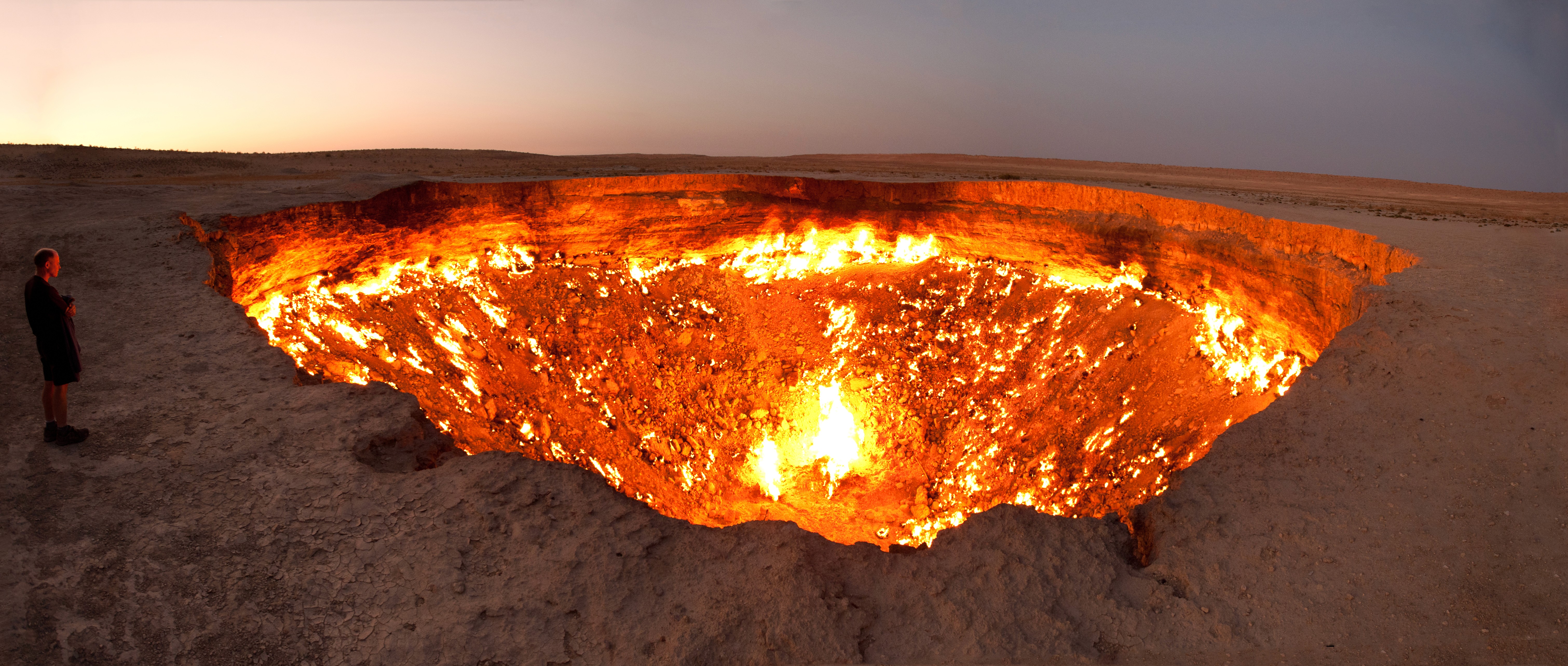
The crater’s size is striking — about 60 to 70 metres across and roughly 30 metres deep. Its continuous fire and the stark contrast between the burning pit and the surrounding sands make it one of Turkmenistan’s most photographed natural attractions. Visiting often involves a long drive on unpaved desert roads, but the sense of isolation and scale only enhances the experience for many travellers.
Farther west, near the Caspian Sea coast, the Yangykala Canyon offers a completely different kind of landscape. This vast canyon system features steep, colourful rock formations that stand as evidence of millennia of geological processes. The patterns of reds, oranges, and earth tones create a layered effect that changes with the light of day, making sunrise and sunset especially rewarding times to be at the rim.
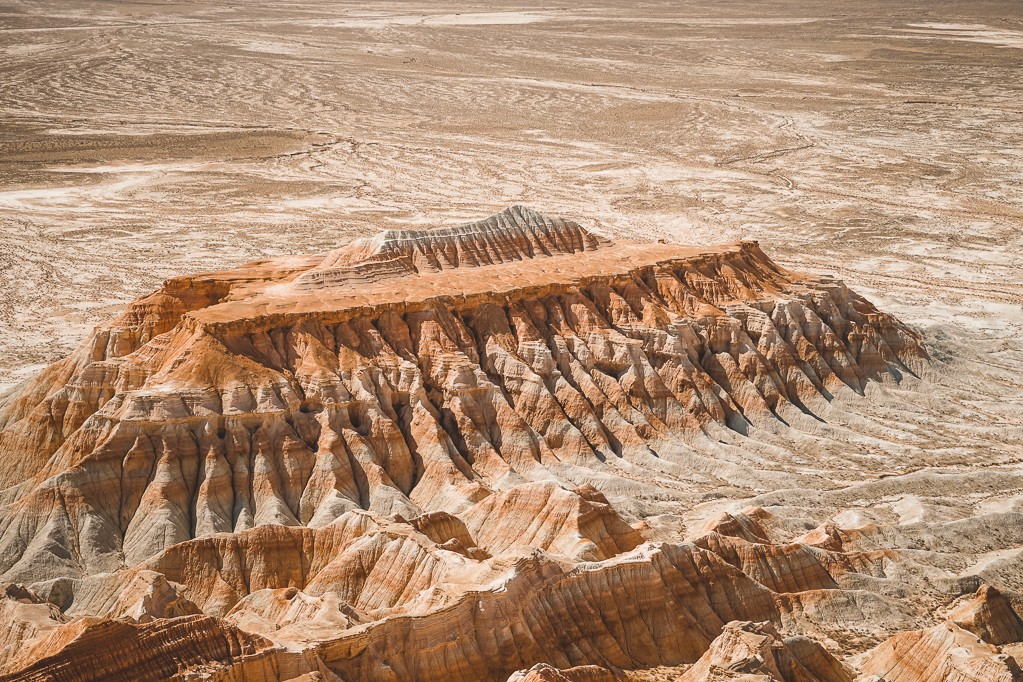
Yangykala is remote and not accessible without a guide or organised transport, but its dramatic rock formations and panoramic views make it a highlight for visitors who seek out natural landscapes that are rarely photographed or written about. The canyon’s expanse invites slow exploration, and its quiet beauty can feel both peaceful and powerful.
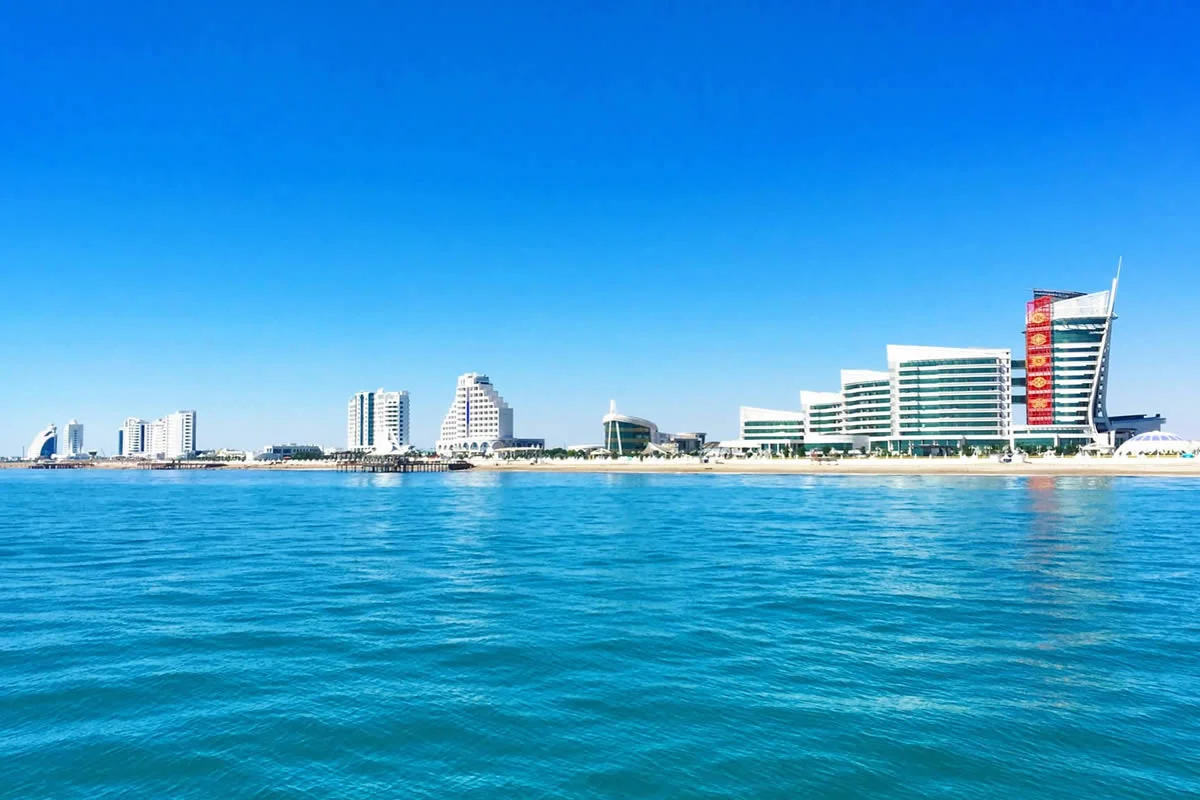
Beyond these headline attractions, Turkmenistan’s natural world includes smaller features that are equally compelling. Kow Ata Underground Lake, located within a limestone cave, offers a stark contrast to the desert above. Its calm, warm waters have drawn visitors as a place to rest and reflect. Awaza, on the Caspian Sea coast, provides a rare opportunity to experience beaches and sea breezes in a country more often associated with arid plains than water.