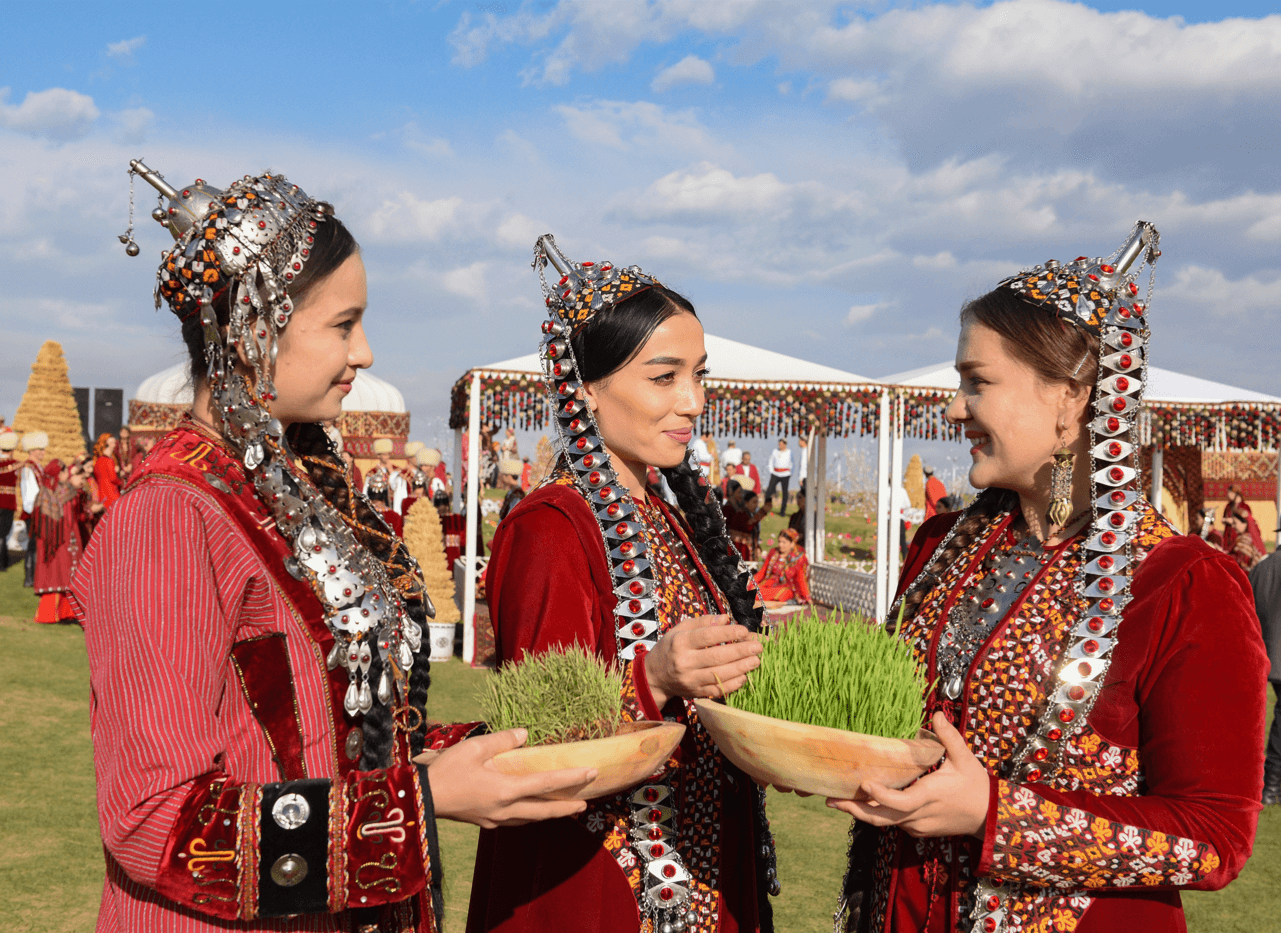
From UNESCO-listed ruins to the famous White Marble City, the country offers a rare blend of past and present.
Ancient Heritage and Modern Ashgabat
Turkmenistan’s built environment tells a story that spans thousands of years. Long before modern nation-states formed, this region was central to the Silk Road, the network of trade routes that connected East and West for centuries. Goods, ideas, and cultures moved across the Central Asian landscape, leaving traces that remain visible today.
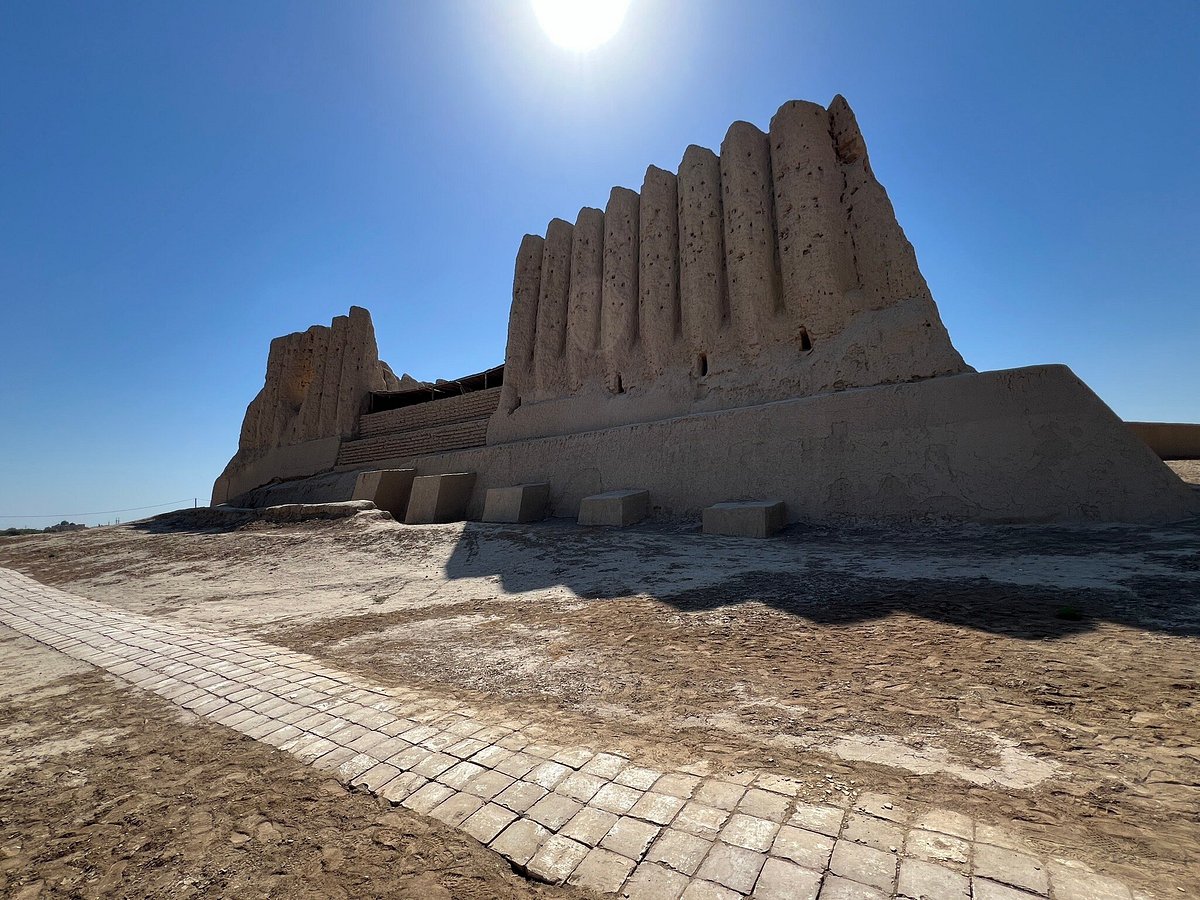
One of the most significant historical sites is Merv, an ancient city that once served as a major hub on the Silk Road. Excavations have revealed the foundations of fortifications, caravanserais, and public buildings. These ruins convey the scale and complexity of a settlement that played an essential role in regional commerce and cultural exchange.
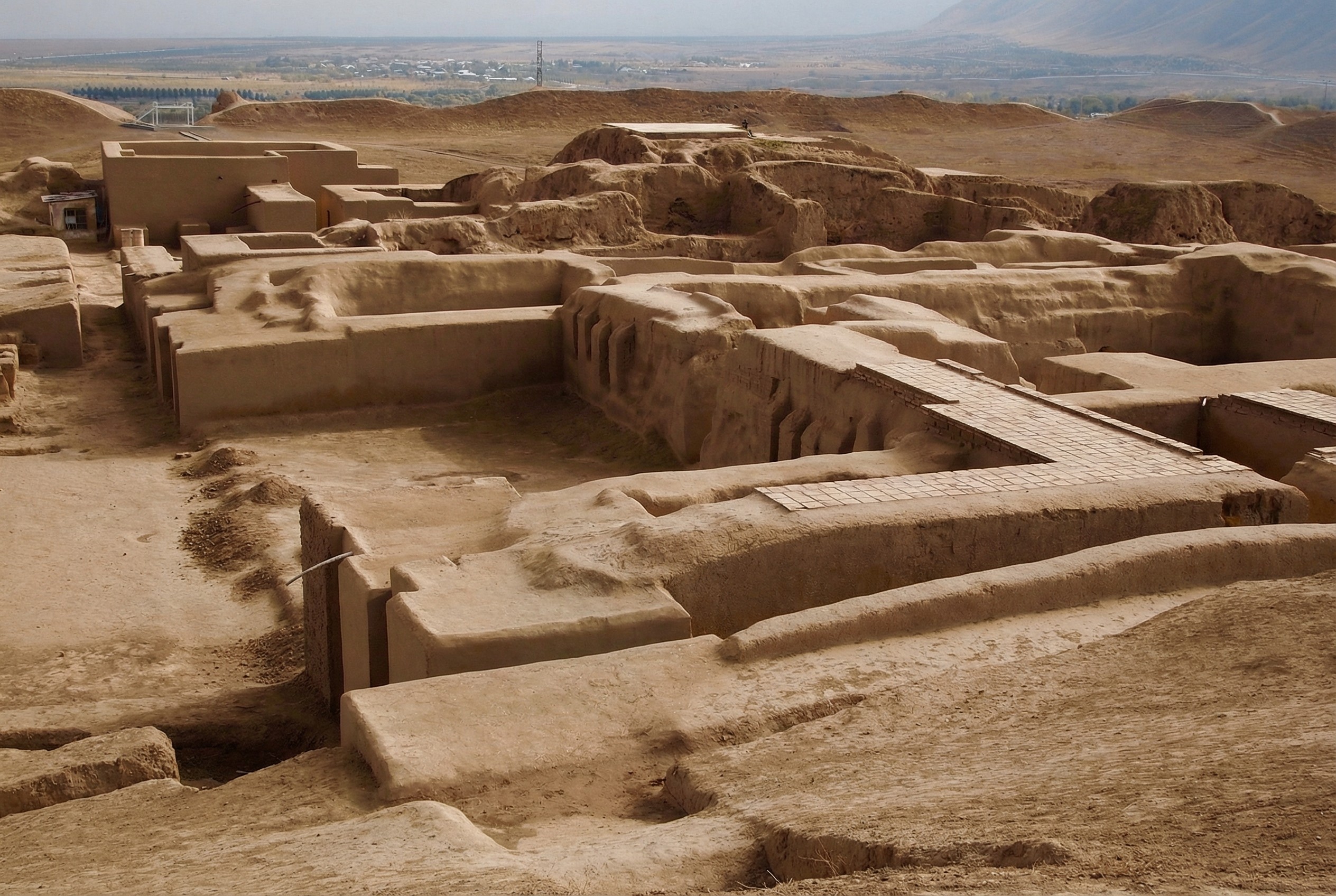
Another site of historical importance is Nisa, where remains of structures once connected to the Parthian era offer insight into early urban life and political organization in Central Asia. The pottery, masonry, and layout found here provide context for how peoples lived and worked in a time before modern borders existed.
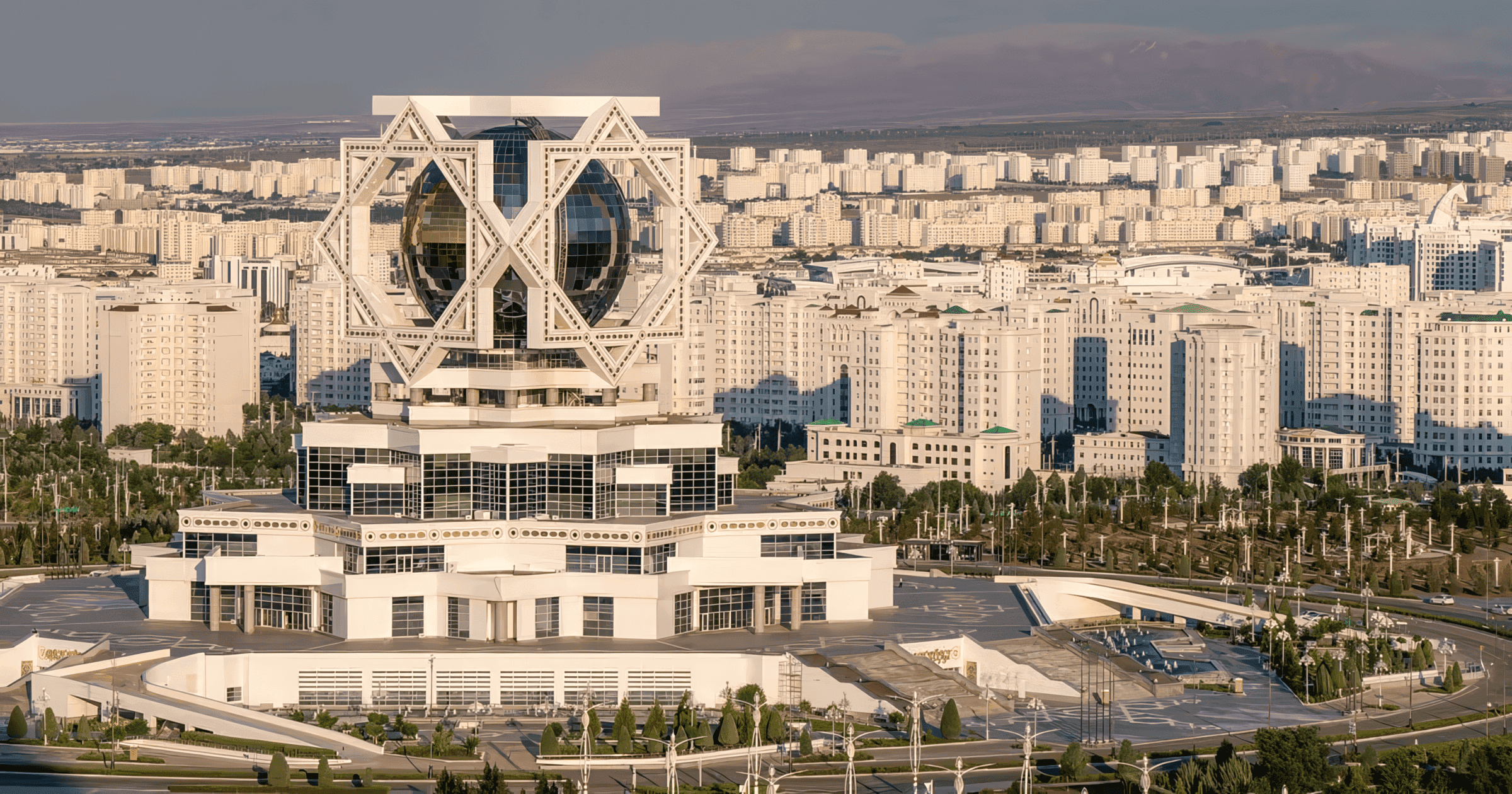
In contrast to the silence of ancient ruins, modern Turkmenistan presents a very different architectural vision. The capital city, Ashgabat, began a period of rapid transformation in the decades following independence. The city’s public spaces and buildings are constructed largely in white stone and marble, creating a distinctive and highly recognizable urban image.
Ashgabat is known for its broad avenues and carefully planned layouts. Government buildings, cultural institutions, and public squares are designed to reflect a sense of unity and civic purpose. The city’s architects and planners have drawn on regional influences while also producing a unique urban identity.
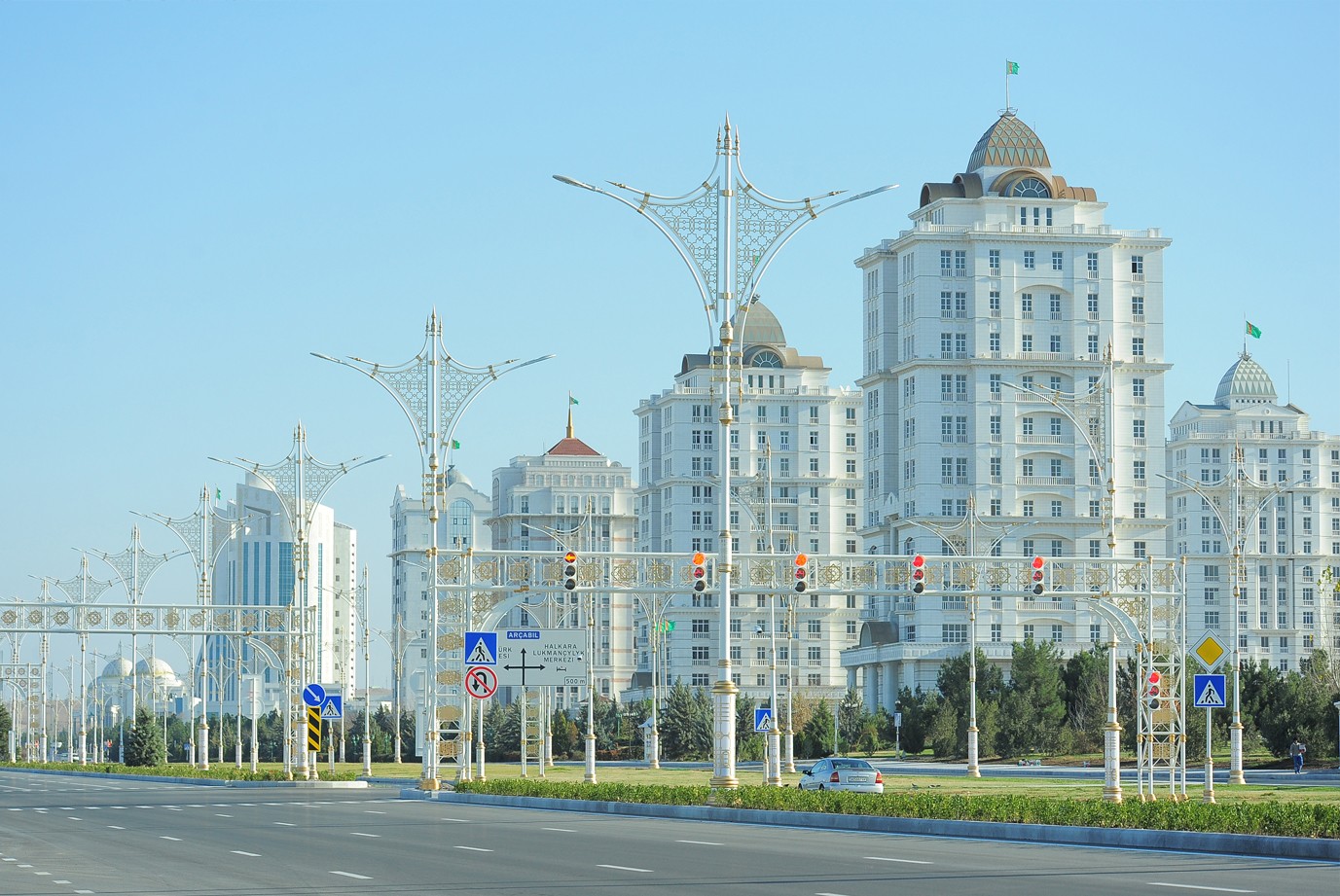
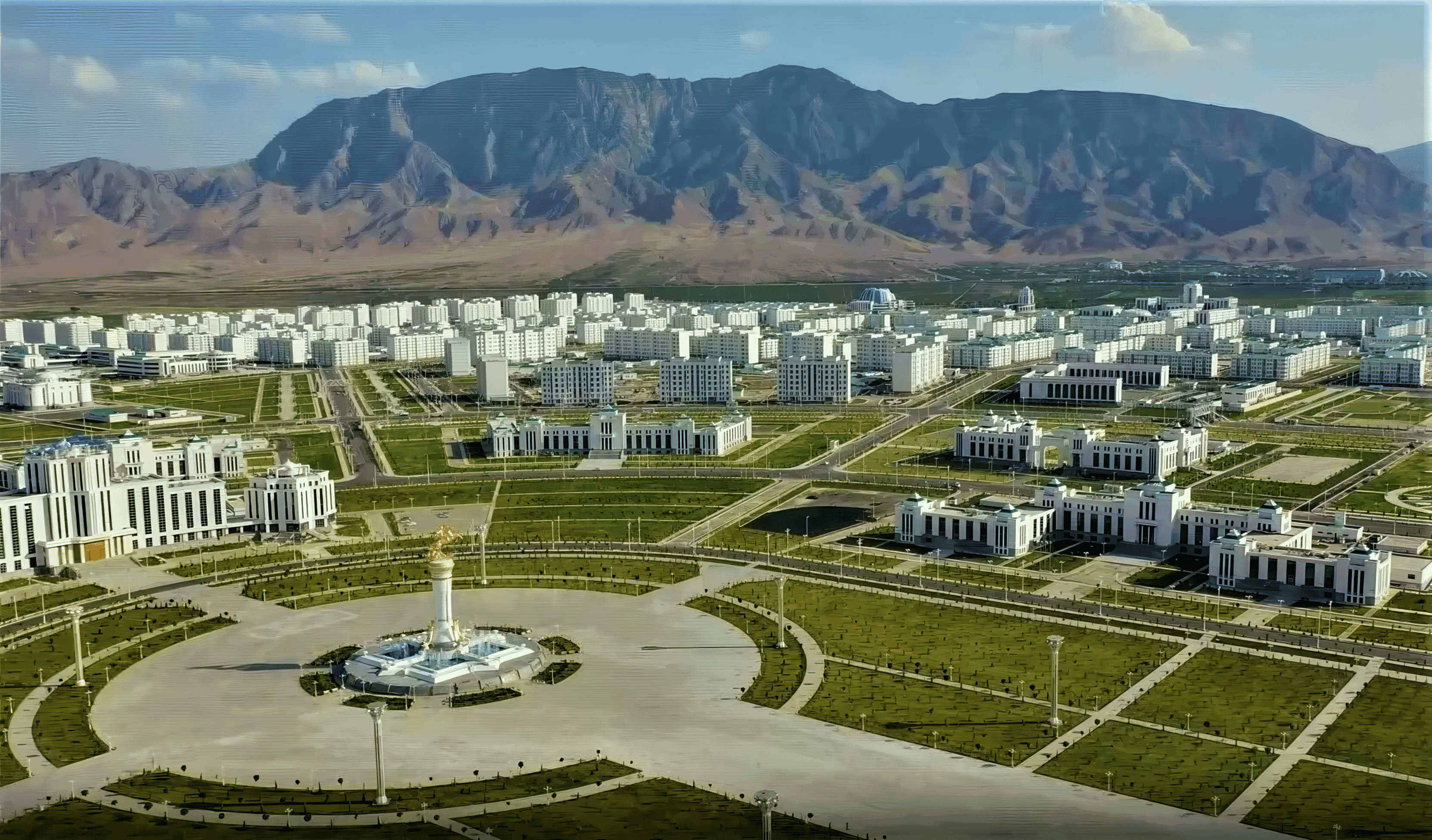
More recently, a new urban project near Ashgabat called Arkadag has gained attention as a planned settlement designed with modern infrastructure and amenities. Positioned near the foothills of the Kopet Dag mountains, Arkadag is intended to demonstrate contemporary approaches to urban planning, energy use, and public services.
The layout of Arkadag emphasizes organized public space, transport connections, and residential areas that are intended to be functional and accessible. Architects involved in the project have incorporated elements that reflect current global trends in city design, such as integrated road networks and facilities for education and commerce.
For travelers interested in history, urban planning, and the way places express identity through built form, Turkmenistan offers a layered experience. Each site, whether ancient or recently constructed, contributes to an understanding of how people have shaped and continue to shape this part of Central Asia.