Discover the Akhal-Teke, a distinctive and historic horse breed that remains a proud symbol of the nation.
The Legendary Akhal-Teke Horse
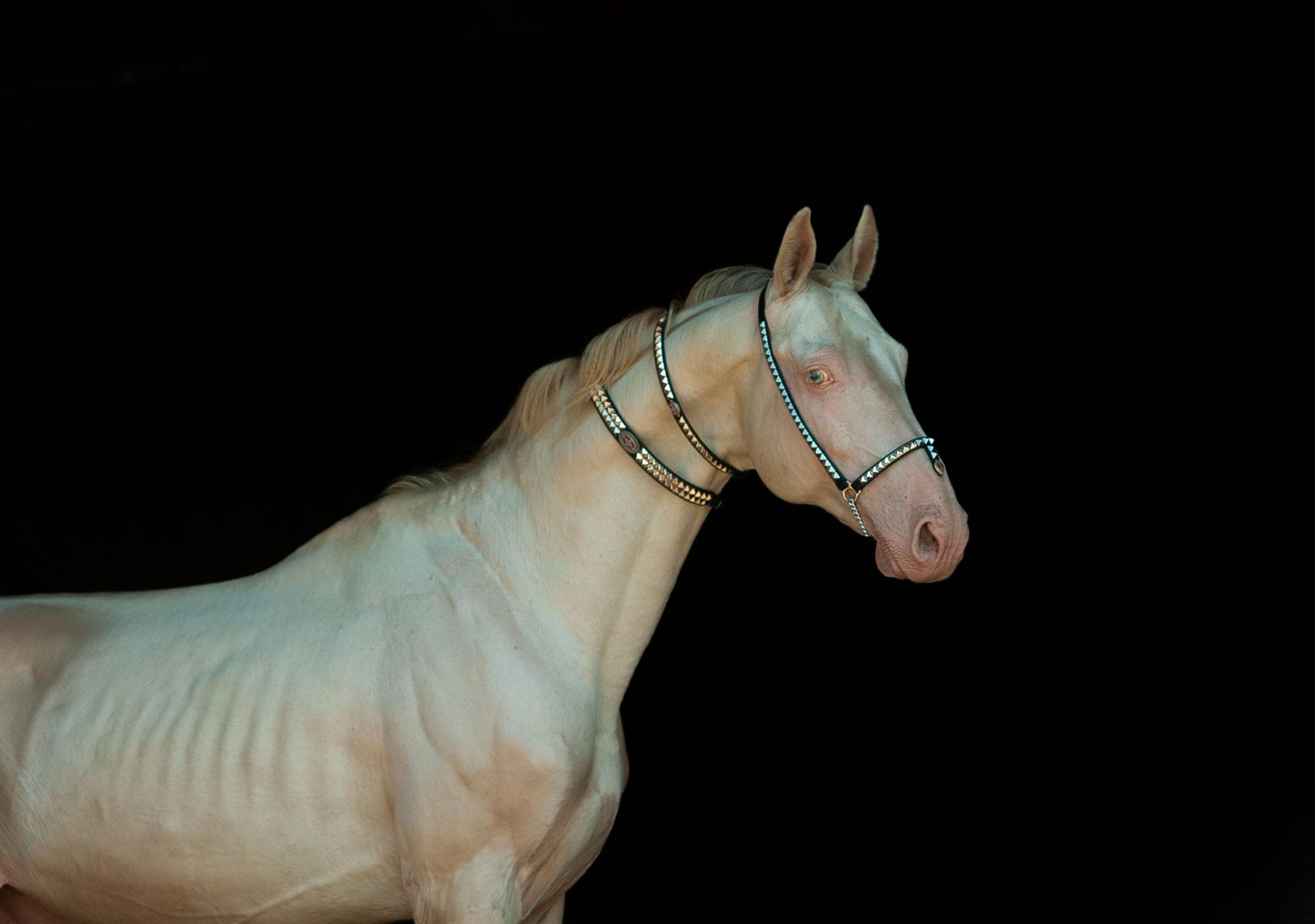
The Akhal-Teke horse is among the oldest known horse breeds still in existence today. Thought to have origins stretching back more than three thousand years, the breed was developed by nomadic peoples living around the oasis plains near the Kopet Dag mountains. Its long build, lean muscles, and smooth, often metallic-sheen coat set it apart from other breeds.
What makes the Akhal-Teke particularly notable is not just its appearance but its capacity for endurance and speed. These horses were bred to travel long distances across challenging terrain with limited water and feed, a quality that made them highly valued for transportation, trade, and daily life on the steppe long before modern roads existed.
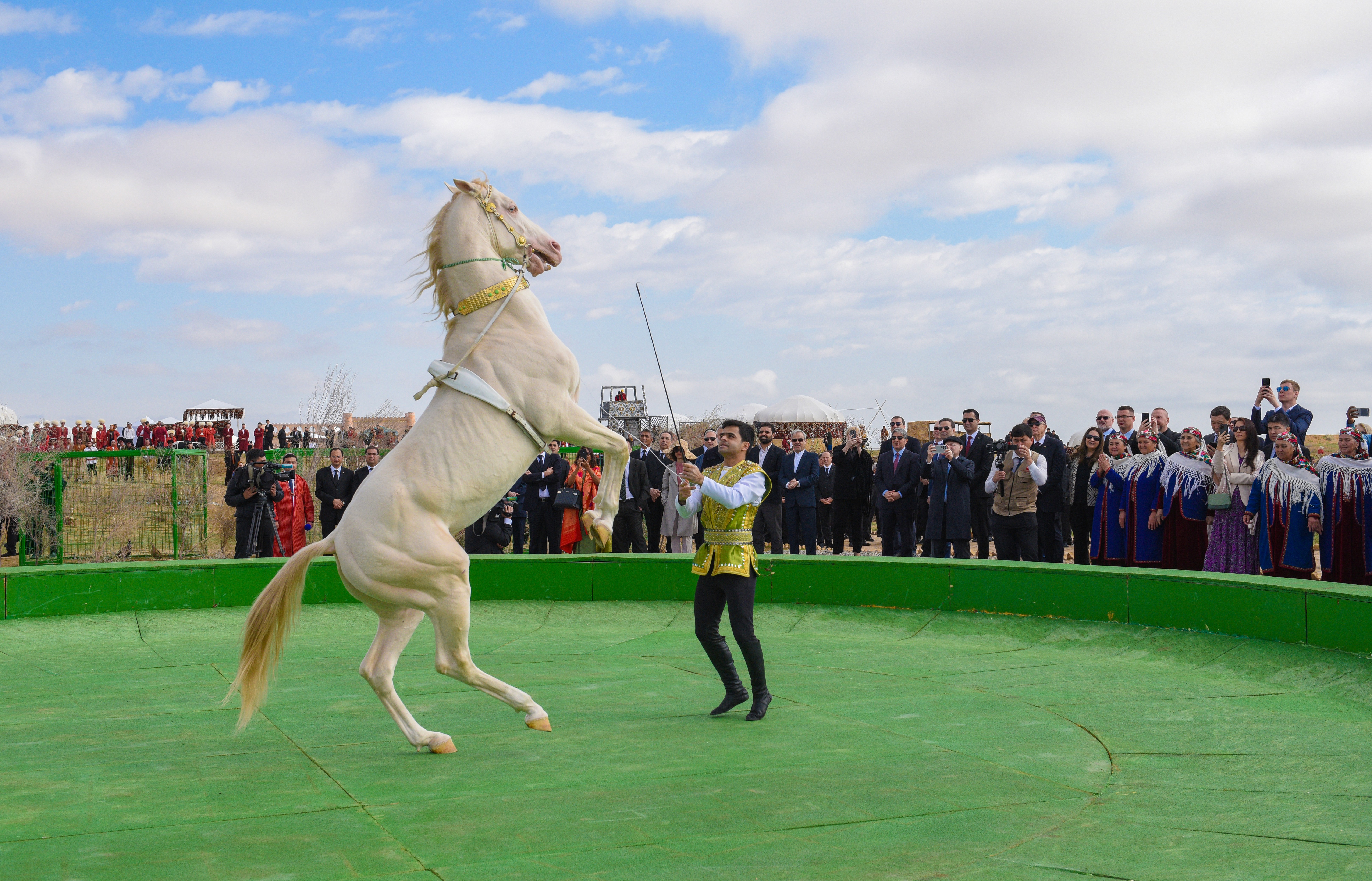
Today, the breed continues to be celebrated in Turkmenistan and beyond. Its image appears in cultural contexts and official emblems, reflecting its place in the country’s identity. In 2023, UNESCO added the art of Akhal-Teke horse breeding and traditional decoration practices to the Representative List of the Intangible Cultural Heritage of Humanity, recognising the deep cultural significance of the craft and its traditions.
Wildlife Across Diverse Landscapes
Turkmenistan’s wildlife extends far beyond its most famous equine inhabitants. The country’s geography includes extensive desert regions, mountain ranges, steppe, and coastal dwellings that support a range of species more diverse than many travellers expect.
Species of mammals found in the country range from small desert rodents to larger herbivores such as gazelles and wild sheep, with predators including foxes, wolves, and jackals. Birdlife is also abundant, with nearly 400 species recorded, including resident and migratory populations that make use of habitats from desert plains to riparian woodlands and coastal lowlands.
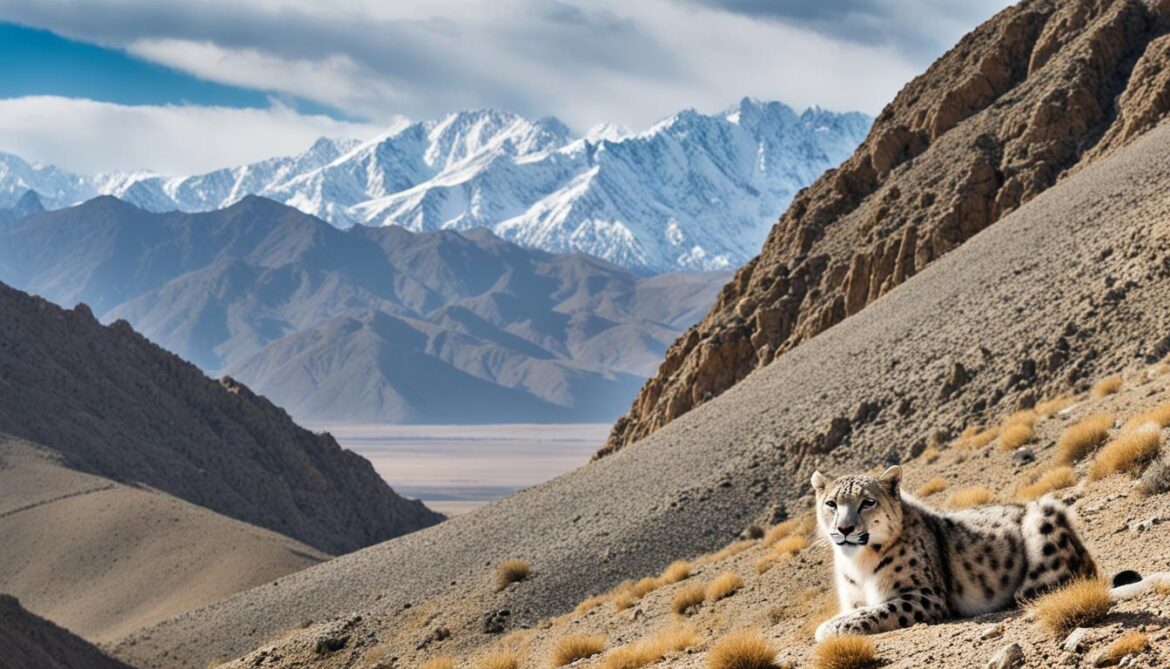
Some of these natural environments are protected. Nature reserves such as Gaplaňgyr Nature Reserve safeguard a mix of mammals and birdlife and are established to preserve ecological balance in regions like the Ustyurt Plateau. These protected areas help maintain populations of native species and provide a baseline for conservation efforts.
The Broader Ecological Picture
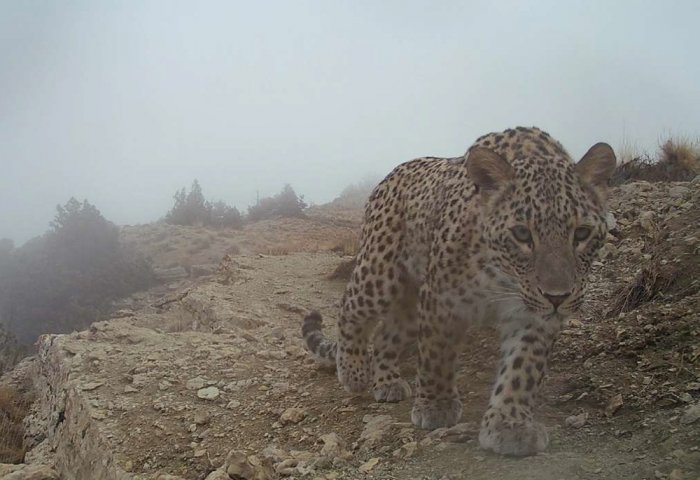
Wildlife in Turkmenistan is adapted to wide-ranging conditions. In desert zones, reptile species such as lizards and snakes find niches in sandy and rocky areas, while wetlands and lake margins along the Caspian coast support waterbirds and migratory species. Farther inland, steppe and foothill zones provide habitat for larger mammals and raptors alike.
This ecological diversity is part of what makes visiting Turkmenistan rewarding for travellers interested in nature as well as culture. Seeing an Akhal-Teke horse against a backdrop of open grassland or spotting a bird of prey overhead in a canyon frame these landscapes in vivid relief.
A Distinctive Part of Turkmenistan’s Story
The Akhal-Teke horse and the country’s broader wildlife reflect Turkmenistan’s depth and variety. On a single journey, travellers can encounter a breed whose development spans millennia and landscapes that support an array of animal life. These elements reveal an often-unexpected side of the country, enriching any visit beyond its historical and architectural highlights.